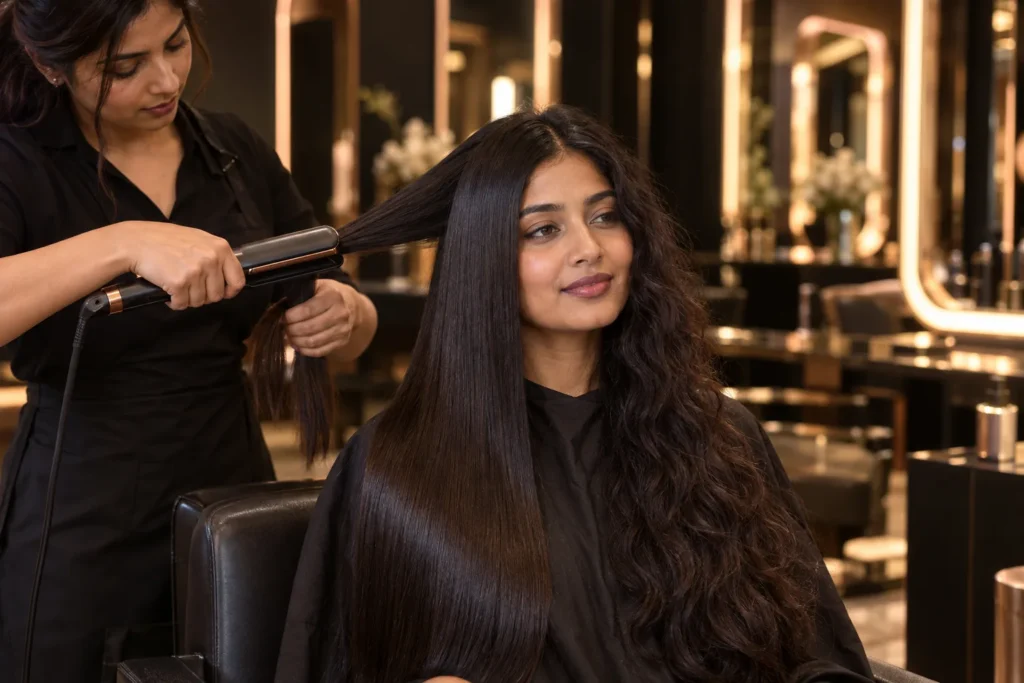
The Ultimate Guide to Hair Smoothening vs Rebonding – Which Is Better?
Introduction
In the ever-evolving world of hair care, treatments like hair smoothening and rebonding have gained immense popularity. These techniques promise sleek, manageable hair, but choosing the right one can be challenging. This ultimate guide to hair smoothening will help you navigate the options and make an informed decision.
When it comes to achieving that glossy, straight look, many are torn between hair smoothening and rebonding. Both have their unique benefits and drawbacks, making it essential to understand which is better suited for your individual needs.
Understanding the Techniques
Differences between Hair Smoothening and Rebonding
Definition of Hair Smoothening: Hair smoothening involves using a formaldehyde solution to break down the hydrogen bonds in your hair. This process realigns the hair cuticles, resulting in smoother, silkier strands. It’s less harsh than rebonding and is ideal for reducing frizz.
Definition of Hair Rebonding: Rebonding is a more intense chemical process that alters the structure of your hair. It involves breaking down natural bonds and restructuring them into a straighter alignment using a neutralizer. The result is pin-straight hair that demands commitment.
Key Differences: While both treatments aim for smoothness, the ultimate hair smoothening process is gentler and maintains some natural wave or curl. Rebonding offers dramatic straightening but can lead to more damage due to its intensity.
Suitability for Different Hair Types
Hair Smoothening Suitability: Best suited for those with wavy or slightly frizzy hair who seek a natural finish. It’s also ideal for people who want manageable hair without losing volume.
Rebonding Suitability: Suitable for individuals with curly or extremely frizzy hair who desire a sleek, straight look. It’s most effective on thick, coarse hair that needs significant restructuring.
Professional Assessment: Before committing to either treatment, it’s crucial to have a professional evaluate your hair’s health. This step ensures you choose the method best suited for your specific texture and condition.
The Practical Aspects
Duration and Maintenance
Longevity of Results: Ultimate hair smoothening typically lasts 2-5 months, depending on aftercare. Rebonding results can last up to 6-8 months but require more rigorous maintenance.
Maintenance Routine: Both methods require sulfate-free shampoos and regular conditioning. Smoothening is lower maintenance compared to rebonding, which demands frequent touch-ups and protective styling.
Cost Comparison
Initial Treatment Costs: Hair smoothening is generally more affordable, with sessions ranging from $100-$300 depending on salon quality and location. Rebonding can cost $200-$600 due to its complexity.
Ongoing Upkeep: Maintaining rebonded hair can be pricier due to frequent salon visits for touch-ups. Smoothened hair requires fewer products and less frequent professional care.
Side Effects and Safety Concerns
Potential Side Effects: Ultimate hair smoothening may cause slight dryness if not properly cared for, while rebonding can lead to significant breakage if overdone.
Minimizing Damage: Always opt for salons with experienced stylists and use deep conditioning treatments regularly to protect your locks from chemical damage.
Common Pain Points and Solutions
Addressing Hair Damage Concerns
To reduce chemical damage, incorporate protein-rich masks into your routine. Choosing experienced professionals ensures precise application, minimizing risks.
Managing High Maintenance
For post-treatment care, use leave-in conditioners and heat protectants regularly. Simplify routines by investing in quality products that nourish treated hair effectively.
Cost and Time Considerations
Plan your budget by comparing costs against desired results. Efficient scheduling helps balance time-intensive processes like rebonding without overwhelming your calendar.
Latest Trends and Innovations
Eco-friendly and Organic Treatments
With growing environmental awareness, organic smoothening options are available. These eco-friendly alternatives focus on natural ingredients that nourish while smoothing.
Customizable and Hybrid Techniques
Hybrid techniques offer personalization by combining elements of both treatments for minimal damage while achieving desired results. Consult with stylists about customizable options suitable for you.
Emphasis on Hair Health
Modern advancements prioritize formulations that protect while treating. A healthy lifestyle complements these treatments by ensuring optimal results from within.
FAQ Section
- What is the difference between hair smoothening and rebonding?
Hair smoothening uses milder chemicals for softer results; rebonding restructures hair bonds for straighter outcomes.
- How long do the effects of each treatment last?
Smoothening lasts 2-5 months; rebonding lasts 6-8 months with proper care.
- Which treatment is better for curly hair?
Rebonding is preferred for curly hair desiring straightness; smoothening enhances manageability without eliminating curls completely.
- Are there any side effects to be aware of?
Both treatments may cause dryness; rebonding poses higher risks of breakage if not maintained correctly.
- What is the cost difference between the two treatments?
Smoothening ranges from $100-$300; rebonding costs $200-$600 depending on factors like salon expertise or location.
Conclusion
Deciding between ultimate hair smoothening or rebonding depends on personal preferences regarding style outcome versus maintenance effort required post-treatment phase completion effectively balanced against budgetary constraints involved therein ultimately achieving desired look whilst maintaining healthy locks throughout said journey!
Call to Action
We invite you to share your experiences or questions in the comments below! Consider scheduling a consultation with a professional stylist today—and don’t forget to subscribe here so you never miss out on future informative posts about enhancing beauty naturally through proven techniques tailored specifically towards individual needs!