The Ultimate Guide to Is Hair Rebonding Safe for Damaged Hair?
Introduction
Hair rebonding has become a popular method for achieving sleek, straight locks. It’s a chemical process that promises to transform frizzy or wavy hair into smooth, manageable strands. However, when it comes to damaged hair, many wonder, “Is hair rebonding safe?”
This ultimate hair rebonding guide aims to explore the safety and implications of this treatment for damaged hair. We’ll address key questions and concerns, helping you make an informed decision.
1. Understanding the Hair Rebonding Process
1.1 What is Hair Rebonding?
Hair rebonding is a chemical technique designed to alter the natural structure of your hair. By breaking down the bonds in your hair shaft, it creates a permanently straightened look.
The process involves using chemicals such as relaxers and neutralizers to modify the texture of the hair, leaving it sleek and smooth.
1.2 Steps Involved in Hair Rebonding
The ultimate hair rebonding process starts with a thorough shampoo and application of a relaxant cream. This cream breaks the natural bonds in your hair.
Next, a flat iron is used to straighten your hair strands. Finally, a neutralizer is applied to reset the bonds in their new straightened form.
Expect to spend several hours at the salon, as this meticulous process requires time and patience.
1.3 Expected Results and Longevity
Typically, post-rebonding results in ultra-straight hair that can last up to six months. However, longevity depends on factors such as hair care practices and individual hair growth rates.
Proper maintenance is crucial to prolong the sleek effects of your ultimate hair rebonding.
2. Safety Concerns for Damaged Hair
2.1 Evaluating Hair Health
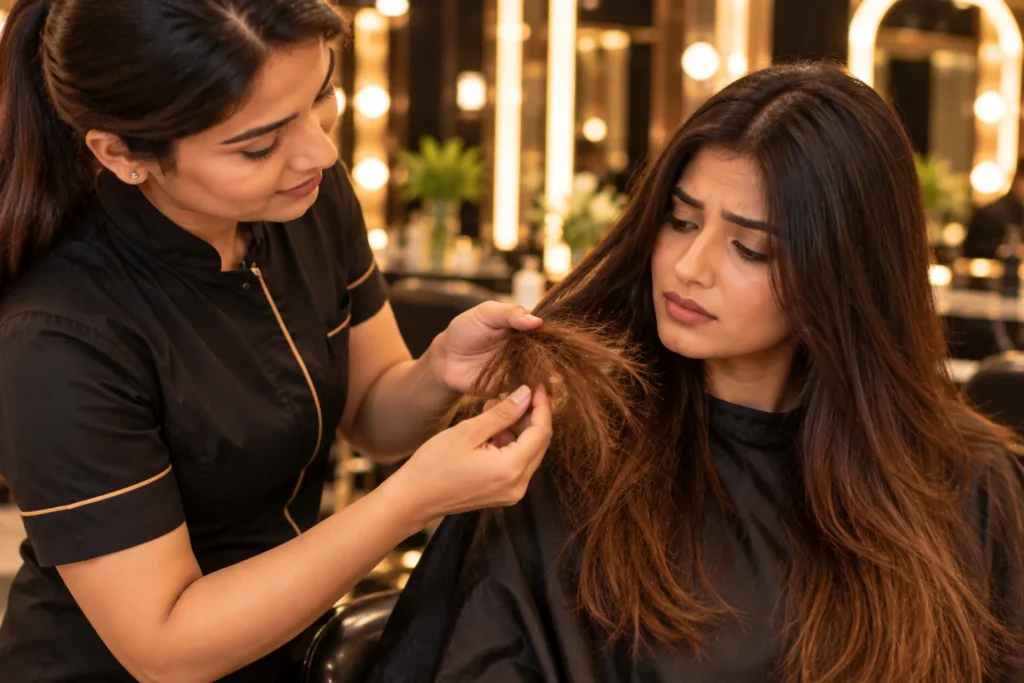
Before undergoing any treatment, evaluating your hair’s health is essential. Damaged hair might not withstand the rigorous rebonding process.
A professional consultation can help determine if your hair is suitable for rebonding or if alternative treatments would be safer.
2.2 Potential Risks and Side Effects
For those with damaged hair, the ultimate hair rebonding process can pose risks such as further breakage or scalp irritation. Chemical exposure might also lead to allergic reactions or burns.
Recognizing these potential side effects is vital before proceeding with treatment.
2.3 Prerequisites for Safe Rebonding
Conducting a patch test before treatment is crucial to rule out allergies. Aim for a healthy baseline with proper hydration and nutrition for your hair.
Informed consent from your stylist ensures all potential risks are understood and managed effectively.
3. Post-Rebonding Hair Care
3.1 Essential Aftercare Tips
After undergoing ultimate hair rebonding, following a strict aftercare regimen is non-negotiable.
Use sulfate-free shampoos and conditioners to avoid stripping moisture from your newly straightened locks. Regular trims also help maintain healthy ends.
3.2 Avoiding Further Damage
Minimize the use of heat styling tools post-rebonding to prevent additional damage. Instead, embrace air drying whenever possible.
Incorporating deep conditioning treatments into your routine will restore moisture and strengthen your strands.
3.3 Listening to Professional Advice
Your hairstylist’s advice is invaluable for maintaining the results of your ultimate hair rebonding treatment. They can provide tailored tips based on your specific needs and concerns.
4. Alternative Treatments for Damaged Hair
4.1 Exploring Gentler Options
For those hesitant about ultimate hair rebonding on damaged hair, alternative treatments exist. Keratin or protein therapies offer smoothing benefits without harsh chemicals.
These options can enhance manageability while minimizing potential harm.
4.2 Hybrid Treatments and Latest Trends
Hybrid treatments combine elements of rebonding with other therapies for customized results. These innovative approaches often use eco-friendly products and techniques tailored to individual needs.
Staying informed about the latest trends ensures you’re considering all available options for your unique situation.
5. FAQ Section
-
Is hair rebonding suitable for all hair types?
Rebonding works best on healthy, coarse, or wavy hair but may not be ideal for severely damaged strands. -
How often should I get my hair rebonded?
Typically every six months; however, frequency depends on individual growth rates and care practices. -
What are the signs that my hair might be too damaged for rebonding?
Excessive breakage, dryness, or split ends indicate that alternative treatments might be safer choices. -
Can I color my hair after rebonding?
Yes, but it’s advisable to wait at least two weeks post-rebonding before applying any color treatments. -
What should I do if I experience a reaction to the rebonding chemicals?
Immediately rinse out products and consult a dermatologist or healthcare provider if symptoms persist.
Conclusion
In this ultimate guide on whether hair rebonding is safe for damaged hair, we’ve covered essential considerations from evaluating health risks to exploring alternatives.
Professional consultation remains paramount in determining suitability while personalized care helps maintain desired results safely over time.
Call to Action
Before deciding on ultimate hair rebonding, consult with a qualified hairstylist who can assess your specific situation thoroughly!
We invite you to share experiences or ask questions in our comments section below—and don’t forget: subscribe today for more valuable insights into modern-day beauty solutions!